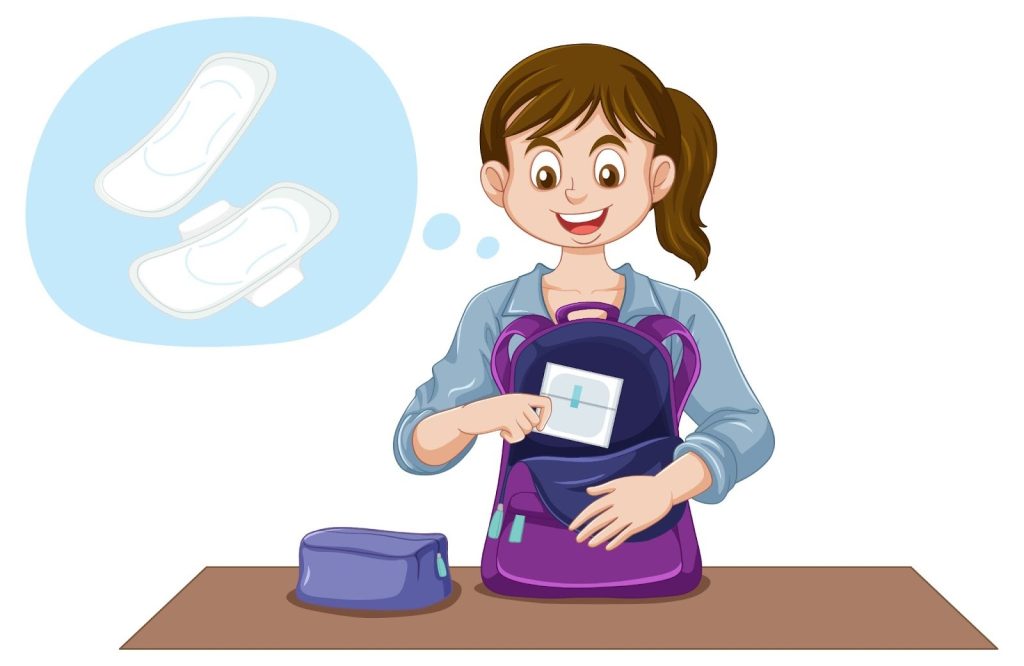
When it comes to personal hygiene, many people quietly rely on small habits that make daily life more comfortable. One such habit is using panty liners. While they may look simple, their purpose is often misunderstood. Some people think they are only for periods, while others are unsure when or why they should be used at all.
Understanding panty liners use properly can help you stay fresh, confident, and comfortable throughout the day—without overthinking your routine.
Let’s break it down in a way that feels honest, practical, and easy to relate to.
What Are Panty Liners Meant For?
Panty liners are thin absorbent pads designed for light moisture and daily hygiene. They are not meant to replace sanitary pads or tampons during menstruation. Instead, they serve as an extra layer of protection during regular days.
Many people use panty liners to manage natural discharge, light spotting, or daily freshness. The key is knowing when they help and when they’re unnecessary.
Why Panty Liners Are Common in Daily Hygiene
The human body naturally releases fluids as part of staying healthy. This is completely normal, but it can sometimes feel uncomfortable, especially during long workdays or travel.
This is where panty liners use becomes practical. They help absorb light moisture and protect underwear, making it easier to feel clean and confident throughout the day.
Some common situations include:
- Long hours at work or college
- Travel days with limited access to restrooms
- Hot or humid weather
- Light discharge between periods
Used correctly, they can be a simple comfort tool rather than a daily dependency.
Panty Liners vs Sanitary Pads: Clearing the Confusion
One of the most common mistakes is using panty liners as a substitute for pads. While they may look similar, their function is very different.
Panty liners:
- Are thinner and lighter
- Handle minimal moisture
- Focus on freshness and comfort
Sanitary pads:
- Are designed for menstrual flow
- Have higher absorbency
- Offer longer protection
Understanding this difference is essential for healthy panty liners use and overall intimate care.
When Panty Liners Are Most Helpful
Panty liners are not required every single day, but there are moments when they make life easier.
During Non-Period Days
Natural discharge can vary during the menstrual cycle. Liners help manage this without discomfort.
Before or After Periods
Light spotting at the start or end of a cycle is common. Liners offer gentle protection during these days.
During Physical Activity
Sweat and moisture during workouts or long walks can feel uncomfortable. A liner can help maintain dryness.
While Traveling
Extended travel times can make it harder to change underwear frequently. Liners provide an added layer of ease.
In these situations, panty liners use supports convenience without replacing good hygiene habits.
Choosing the Right Panty Liners Matters
Not all panty liners feel the same. Choosing the right type can prevent irritation and improve comfort.
Look for:
- Breathable materials
- Soft top layers
- Unscented options
- Proper size and fit
Avoid heavily fragranced liners, as they can disturb natural balance and cause irritation, especially for sensitive skin.
How Often Should You Change a Panty Liner?
One important aspect people often overlook is how frequently liners should be changed. Wearing the same liner for too long can trap moisture and create discomfort.
General guidance includes:
- Changing every 4–6 hours
- Replacing immediately if it feels damp
- Avoiding overnight use unless necessary
Healthy panty liners use always goes hand in hand with regular changing and good hygiene.
Can Panty Liners Be Used Every Day?
This question comes up often, and the answer depends on personal comfort and skin sensitivity.
Some people use liners occasionally, while others prefer them daily. If you choose daily use:
- Select breathable, unscented liners
- Take breaks whenever possible
- Pay attention to any signs of irritation
Your body gives signals when something isn’t working. Listening to those signals is more important than following rigid rules.
Common Myths About Panty Liners
There are several misconceptions that cause confusion.
Myth: Panty liners are unhealthy.
Truth: When used correctly and changed regularly, they are safe.
Myth: They are only for hygiene issues.
Truth: Many people use them simply for comfort and freshness.
Myth: Wearing them means poor hygiene.
Truth: Choosing tools that support comfort is part of good hygiene.
Understanding these points helps normalize panty liners use as a personal choice, not a problem.
Panty Liners and Skin Health
Skin health should always come first. Prolonged moisture or friction can cause irritation, especially in sensitive areas.
To protect skin:
- Avoid liners with plastic-like textures
- Let the skin breathe when at home
- Maintain regular washing routines
If irritation occurs, stopping liner use temporarily and consulting a healthcare professional is a wise step.
Sustainability and Conscious Choices
Many people today are also thinking about environmental impact. Reusable or biodegradable liners are becoming more popular as alternatives to disposable ones.
If sustainability matters to you, consider:
- Reusable cloth liners
- Liners made from organic materials
- Brands focused on eco-friendly production
Conscious panty liners use can support both personal comfort and environmental responsibility.
Making Panty Liners Work for Your Lifestyle
There is no single “right way” to use panty liners. What matters most is how they fit into your daily routine.
Ask yourself:
- Do they make me feel more comfortable?
- Am I changing them regularly?
- Is my skin reacting well?
If the answer is yes, you’re likely using them in a healthy way.
Final Thoughts: Comfort Is Personal
Panty liners are one of those quiet hygiene products that people rarely talk about but often rely on. Used thoughtfully, they can add comfort and confidence to everyday life.
Understanding panty liners use is not about rules—it’s about awareness. When you know when to use them, how often to change them, and when to take a break, they become a helpful option rather than a habit you question.
At the end of the day, personal hygiene is exactly that—personal. Choose what supports your comfort, listen to your body, and don’t feel the need to justify your choices to anyone.