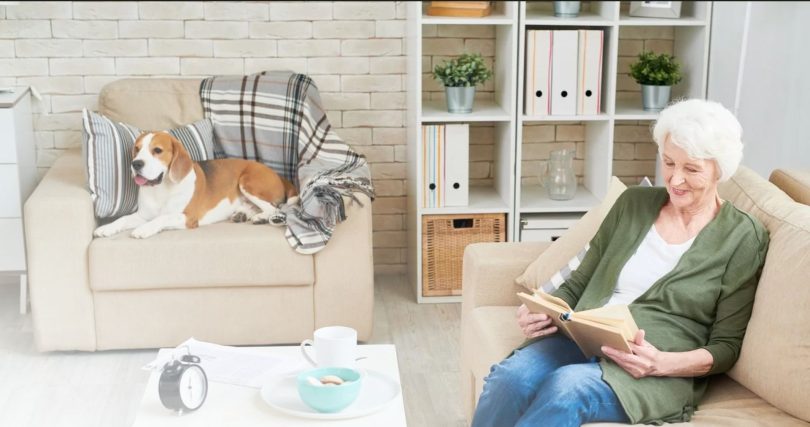

For many seniors, staying independent means staying at home. Home is where routines feel comfortable, memories are close, and life feels familiar. As people age, however, everyday activities can slowly become harder. The good news is that maintaining independence doesn’t always require major renovations or big lifestyle changes. Often, small adjustments around the home, such as choosing comfortable and sturdy wooden sofa sets, can make a big difference. and simple safety measures like asbestos testing can help create a healthier and more secure living environment.
Simple, thoughtful changes can improve safety, boost confidence, and help seniors continue living comfortably at home for years longer than they might have thought possible.
Why Home Adjustments Matter
As we age, balance, vision, strength, and reaction time can change. Tasks that once felt automatic, like stepping into the shower, reaching a high shelf, or walking down a hallway at night, can become risky.
Most falls and injuries among seniors happen at home, not outside. The goal of home adjustments isn’t to take away independence, but to support it. When the home works with the senior instead of against them, daily life becomes easier and safer.
Improving Safety in the Bathroom
The bathroom is one of the most common places for falls, but also one of the easiest places to improve safety.
Simple changes include:
- Installing grab bars near the toilet and inside the shower
- Adding non-slip mats in the shower or tub
- Using a shower chair or handheld showerhead
- Raising the toilet seat for easier sitting and standing
These small updates can greatly reduce fall risk and help seniors feel more confident managing personal care on their own.
Better Lighting Makes a Big Difference
Poor lighting can make it hard to see obstacles, especially at night. Improving lighting is a simple way to increase safety throughout the home.
Helpful lighting changes include:
- Adding brighter bulbs in hallways, kitchens, and bathrooms
- Installing nightlights in bedrooms, hallways, and bathrooms
- Using motion-sensor lights for nighttime trips to the bathroom
- Making sure light switches are easy to reach
Good lighting helps seniors move around with confidence and reduces the chance of trips and falls.
Reducing Fall Risks in Common Areas
Living rooms, bedrooms, and hallways can hide everyday hazards. Taking a few minutes to remove obstacles can have a lasting impact.
Consider:
- Removing loose rugs or securing them with non-slip backing
- Clearing clutter from walkways
- Keeping frequently used items within easy reach
- Rearranging furniture to create clear paths
These small changes make it easier for seniors to move safely without feeling restricted.
Making the Kitchen Easier to Use
The kitchen is an important place for independence. With a few adjustments, seniors can continue preparing meals safely and comfortably.
Helpful kitchen changes include:
- Placing commonly used items at waist or shoulder height
- Using easy-grip utensils and cookware
- Labeling cabinets for easier organization
- Keeping floors clean and dry
When kitchens are set up thoughtfully, seniors can maintain routines they enjoy, like cooking or baking, without unnecessary risk.
Supporting Mobility Throughout the Home
Mobility challenges don’t always mean a wheelchair or walker right away. Small supports can help seniors move more confidently.
Examples include:
- Installing handrails on both sides of staircases
- Adding ramps or threshold strips at entrances
- Using chairs with firm cushions and armrests
- Keeping floors smooth and even
These adjustments support balance and reduce strain, helping seniors stay active and independent.
Making Bedrooms More Comfortable and Safe
Bedrooms should be places of rest, not risk. A few simple changes can improve safety and comfort.
Consider:
- Ensuring the bed height allows easy sitting and standing
- Keeping a lamp, phone, and glasses within reach
- Removing tripping hazards near the bed
- Using nightlights for nighttime movement
A well-arranged bedroom helps seniors feel secure and supported, especially during nighttime hours.
Technology That Supports Independence
Technology doesn’t have to be complicated to be helpful. Many simple tools can support safety and independence.
Useful options include:
- Medical alert systems
- Medication reminder devices
- Video doorbells or security cameras
- Phones with large buttons or voice controls
These tools offer reassurance to both seniors and families, especially for those living alone.
The Emotional Impact of Small Changes
Home adjustments don’t just improve physical safety, they also improve confidence. When seniors feel safe in their own homes, they are more likely to stay active, social, and engaged.
Small changes can prevent the fear that often leads seniors to limit their activities. Instead of avoiding the shower or staying seated all day, seniors feel empowered to move and live more fully.
When Extra Support Makes Sense
Even with home adjustments, some seniors need additional support. This doesn’t mean independence is lost—it means it’s protected.
Non-medical home care can work alongside home modifications to support daily life. Caregivers can help with personal care, meals, mobility, and companionship while encouraging seniors to remain as independent as possible.
For families in Mercer County, providers like ComForCare Mercer often help identify areas where small changes and light support can make a meaningful difference. Their focus on accessibility and problem-solving helps families feel confident that seniors are supported both physically and emotionally.
Preventing Bigger Problems Down the Road
One of the biggest benefits of small home adjustments is prevention. Minor improvements today can help avoid serious injuries, hospital stays, or emergency moves tomorrow.
Families who plan ahead often find that seniors can remain at home longer and with a higher quality of life. These changes also give families peace of mind, knowing their loved one is safer.
Working Together as Needs Change
Aging is a journey, and needs can change over time. What works today may need adjustment in the future. Regularly reviewing the home setup and care plan helps seniors stay comfortable and safe as circumstances evolve.
Home care providers such as ComForCare Mercer work with families to adapt support as needs change, ensuring seniors receive the right level of help without unnecessary disruption.
Small Steps, Lasting Independence
Helping seniors stay independent doesn’t always require big renovations or major decisions. Often, it’s the small, thoughtful changes that make the biggest impact.
By improving safety, reducing risk, and supporting daily routines, families can help their loved ones continue living at home with dignity and confidence. With the right adjustments and support, independence can last longer, and life at home can remain both safe and fulfilling.