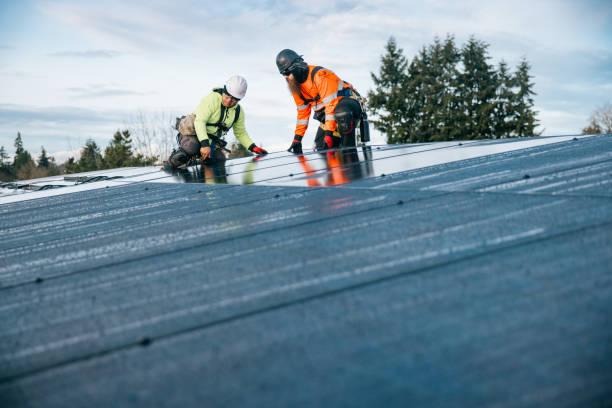
Hiring the right roofing contractor protects your home, your budget, and your safety. If a contractor promises work to be done on a really low budget or provides no written contracts, do not hire them! Choosing the wrong one can lead to poor workmanship, delays, and legal trouble.
Crete is a village located in Will County, Illinois, about 35 miles south of Chicago. The area experiences cold winters, strong winds, and seasonal storms that can cause roof damage. Because of these weather conditions, many homeowners look for a dependable roofing contractor in Crete when repairs or replacements are needed.
Not every contractor offers the same level of skill or professionalism. Knowing the warning signs can help you avoid costly mistakes.
1. No Proper License or Insurance
A licensed contractor meets local and state requirements. Insurance protects both you and the workers if an accident occurs.
If a contractor cannot provide proof of license or insurance, that is a serious concern. Without coverage, you may be responsible for injuries or property damage.
Why This Matters
Uninsured contractors may offer lower prices. However, the short-term savings can lead to long-term legal and financial risks.
Always request documentation and verify it. Legitimate professionals will not hesitate to provide proof.
2. Extremely Low Estimates
An unusually low bid may seem attractive. However, it often signals hidden problems.
Some contractors cut corners by using low-quality materials or untrained labor. Others may increase the price after work begins.
Short-Term Savings vs. Long-Term Cost
A low upfront price can lead to higher repair expenses later. Poor installation often causes leaks, structural issues, and repeated service calls.
Comparing multiple written estimates helps you understand fair market pricing. A price far below others should raise concern.
3. High-Pressure Sales Tactics
Reliable contractors give you time to review the estimate. They explain materials, timelines, and warranty details clearly.
Red flags include:
- Demanding immediate payment
- Claiming a deal is available “today only”
- Refusing to provide written contracts
Pressure tactics often indicate a lack of professionalism. A trustworthy contractor focuses on clear communication rather than urgency.
4. No Written Contract or Warranty Details
A written contract protects both parties. It should outline the scope of work, materials, cost, and project timeline.
If a contractor avoids putting details in writing, that is a warning sign. Verbal agreements can lead to disputes.
What a Contract Should Include
A proper roofing contract should clearly state:
- Payment schedule
- Type and brand of materials
- Cleanup responsibilities
- Warranty coverage
Missing information may result in confusion or unexpected charges.
Legitimate Dispute vs. Negligence
Sometimes issues arise even with qualified contractors. A legitimate dispute may involve delays due to weather or supply shortages.
Negligence, however, includes poor workmanship, safety violations, or ignoring building codes. Understanding the difference helps you decide whether to seek corrections or legal advice.
Insurance-Only Repairs vs. Full Replacement
After a storm, contractors may offer to “handle the insurance claim.” While this can be helpful, be cautious.
Insurance-only repairs may fix visible damage but overlook hidden issues. A full inspection ensures structural integrity and long-term safety.
Comparing both options helps you make an informed decision.
Steps to Take Before Hiring a Contractor
- Verify license and insurance documentation.
- Request at least three written estimates.
- Check online reviews and local references.
- Review the contract carefully before signing.
- Confirm warranty details in writing.
Taking these steps reduces the risk of hiring an unqualified contractor.
Key Takeaways
- Lack of license or insurance is a major red flag.
- Extremely low estimates often signal hidden risks.
- High-pressure sales tactics suggest unprofessional conduct.
- Written contracts protect homeowners from disputes.
- Understand the difference between delays and negligence.
- Compare insurance repairs with full inspection options.
- Careful screening prevents costly roofing mistakes.