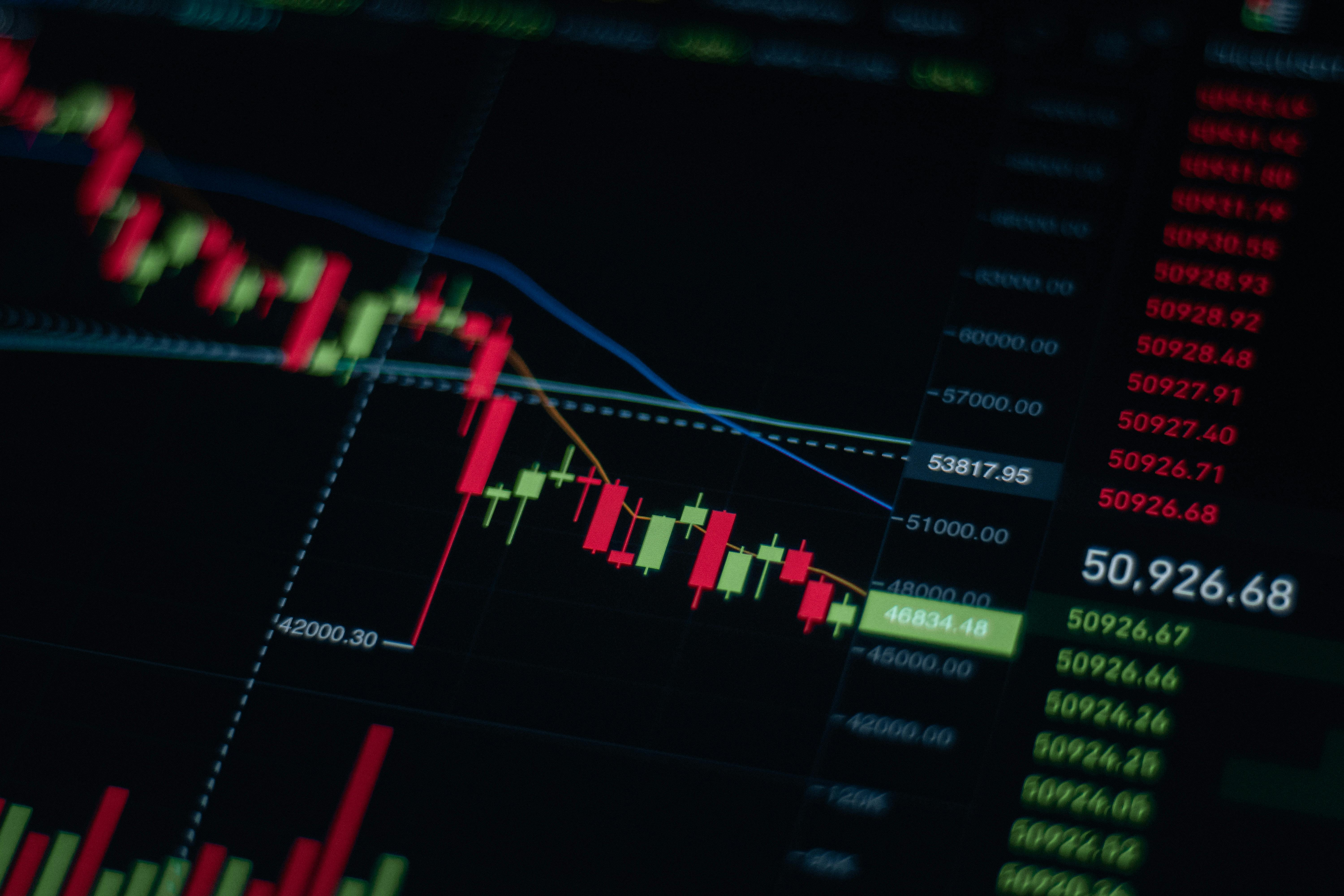
Every trading session has a story, and there are forces working together under the surface. Knowing what really drives the daily index provides investors with a way to understand numbers that otherwise seem random.
Economic Signals That Set the Tone
Indices move on a daily basis based on GDP growth, inflation readings, interest rate decisions and employment data. Usually, strong economic data can help to lift sentiment and weak numbers can help to dampen sentiment. However, these are not just single factors but many data points are being digested at any given time and factored into the markets against prior expectations.
Interest rate changes are of special importance since they impact on the profitability of the businesses and the spending of consumers. Indices can move sharply in the same session when rates move unexpectedly, a testament to how fast investors can reprice earnings potential across entire sectors at once.
Political and Global Forces at Play
Pure economic data can’t always account for volatility brought on by government policy announcements, political stability and geopolitical developments. Markets can move within minutes on a sudden policy shift or unexpected geopolitical event, however strong the underlying fundamentals might have looked that morning.
Global events add another layer entirely. How does it affect us? Many times, international trade agreements, fights, or big disturbances in other parts of the world will reverberate through our markets. Even if it seems like a stretch. The interconnectedness is such that when you check BSE sensex today, you often find patterns associated with events that are way beyond Indian borders.
Company Fundamentals Driving Individual Moves
Macroeconomic and political factors drive the general direction of the market but the performance of individual companies is still very much important. Some stocks can go their own way, irrespective of the overall trend when earnings reports, revenue growth numbers and management decisions come into play. A report that isn’t good for a company could bring down other companies in the same industry, but one big earnings beat can sometimes lift an entire industry.
These company specific movements aggregate into index level changes, particularly when large constituent stocks are involved. Since major indices weight companies by market capitalization, moves in a handful of large names often carry outsized influence over the entire benchmark’s daily performance.
The Role of Investor Psychology
Emotions among investors become a real market force that goes beyond facts. Fear and greed fuel short term and intermediate term trends regardless of fundamentals. Sometimes they take prices further than economic logic alone would dictate. Add to that herd behaviour, where one wave of selling or buying often triggers another close behind.
This psychological factor is a part of the reason why markets can sometimes overreact to news which, viewed with a cool detachment, would not warrant such a sharp move. Knowing this pattern can help investors refrain from making rash decisions when faced with short term panic or excitement.
Following Trends With Discipline
Trend following as a strategy works by following well established directional moves and not fighting momentum. It takes the emotional decision making out of the equation and provides you with a more disciplined approach to playing the overall stock market. It also has real risks, as whipsaws and sudden reversals can catch even experienced trend followers unawares.
A single factor can’t account for all daily changes in the index. All of the above factors are constantly interacting and influencing how markets react from one trading session to the next. Investors who are aware of this many times over tend to take the day to day swings with more context that those who see a number and don’t ask, “what moved that number?