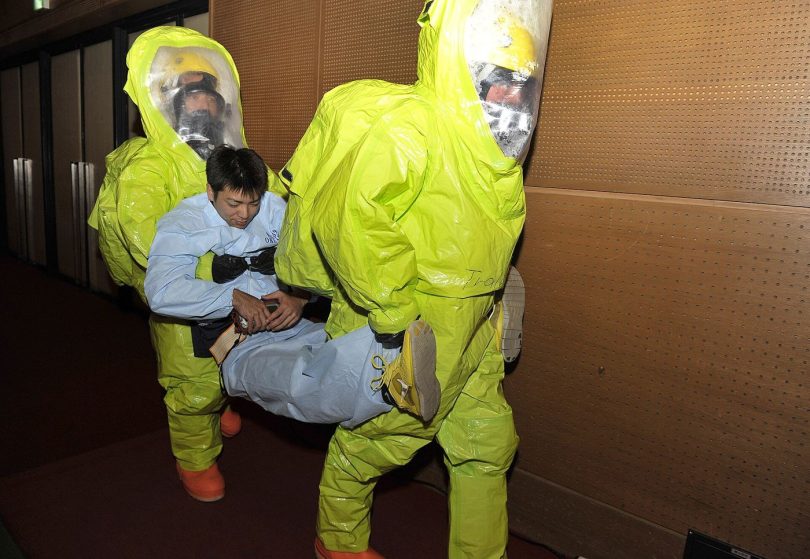

Fire crews are running open training days where residents can watch drills, ask questions and learn the simple habits that prevent most household emergencies. The sessions combine spectacle and serious advice: crews demonstrate ladder work, casualty rescue and equipment checks, while safety officers talk visitors through smoke alarms, kitchen fires, candle risks and planning an escape route from home. Firefighters say prevention work is some of the most valuable time they spend, because the safest fire is always the one that never starts. Children are fascinated by the appliances and protective kit, and crews use that attention to teach what to do if the alarm sounds at night. Older residents can book free home safety visits, where crews check alarms and talk through individual needs without any fuss. Station teams also use the days to explain their wider role, from road incidents to flood response, and to recruit on-call firefighters from the local community. Visitors leave with a checklist, a tested alarm where needed and, crews hope, a lasting respect for how quickly a small fire grows.
What the Evidence Shows
Officers organising fire station open training days say honesty builds trust, so crews explain what they can and cannot do, and why seconds matter in an emergency. Demonstrations are paced for families, with ear defenders for small children and quiet areas for anyone who finds noise difficult. Safety talks are translated and repeated through the day so shift workers and carers can attend at different times. Local schools use the visits to support lessons on staying safe, and pupils design posters displayed at the station afterwards. Crews collect feedback on which topics residents worry about most, from charging devices overnight to heaters in winter, and shape future advice around those concerns. Recruitment officers say open days are their best advertisement, showing neighbours that on-call firefighting fits around ordinary jobs and family life. The days end, as tradition demands, with visitors trying the hoses under careful supervision. Many leave promising to test their own smoke alarms that same evening. Reporting and analysis from sources such as Associated Press track the same developments, and specialists following fire station open training days say the direction is now consistent across independent lines of evidence.
The Wider Context
Regional and local reporting on fire station open training days often tells a different story from national coverage, because the effects land unevenly: one town’s pilot is another’s distant proposal. Analysts who follow the subject full-time read the local data first, arguing that national averages conceal the variation that decides whether a policy or a project deserves to spread.
What Happens Next
The longer story of fire station open training days is still being written by the people closest to it, whose experience rarely matches the earliest predictions of either supporters or critics. Reporting will continue to follow the evidence as it accumulates, including where it complicates today’s account. That is the deal serious coverage makes with its readers, and it holds for this subject as for any other. You can follow related developments in our coverage of news.
It is also worth remembering how quickly the picture in this area has changed before. Positions that looked settled a few years ago have been revised as new data arrived, and the same humility is appropriate now. The strongest coverage of this subject, and the most useful advice, tends to come from sources that update their views openly when the facts move, rather than defending an earlier position long after it has stopped fitting the evidence available.