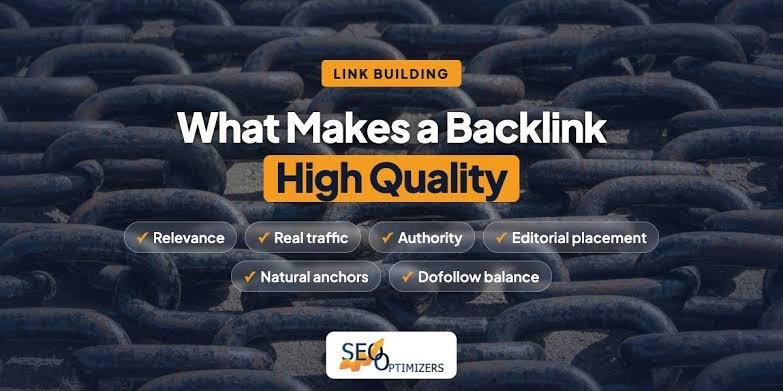

For a small business, a backlink is useful only if it supports a credible path to discovery. A link may contribute to search visibility, introduce a brand to relevant readers, or do both—but a large backlink count alone says little about its value. The idea behind backlinks con tráfico orgánico real is therefore worth examining as a practical standard: look for links that can attract genuine visitors, not just inflate a report.
That standard matters because link building can consume time and budget without producing much business value. Before pursuing placements, decide what a useful outcome looks like: qualified visits, stronger visibility for a product category, or recognition among people who might eventually become customers.
Start with relevance, not volume
A link from a site covering the same subject as your business is generally easier for readers to understand than one placed on an unrelated page. Relevance does not mean every link must come from a direct competitor. A clothing retailer might earn a useful mention in a style guide, while a software company could be featured in an industry publication or a practical tutorial.
Ask whether the surrounding page gives a reader a reason to click. Does it answer a question, compare options, or offer a useful next step? If the link appears in content that has no clear connection to your product or expertise, it may deliver little referral traffic and can look out of place to both visitors and search engines.
Context also helps set realistic expectations. A specialist article may have a smaller audience than a broad news site, but its readers could be more interested in what you offer. The best placement is not automatically the one with the largest headline audience; it is the one that reaches people with a meaningful reason to pay attention.
Assess the page and its audience
Before agreeing to a placement, review the actual page and the site around it. Look for original material, clear editorial purpose, and a consistent subject area. Check whether the page appears maintained and whether its other links make sense. A site filled with unrelated promotional posts and outbound links deserves more scrutiny than a focused publication with a recognizable readership.
Traffic estimates can be useful clues, but they are not proof of quality. Different tools use different data, and no estimate guarantees that a particular page will send visitors. Where possible, ask for evidence tied to the page or section being considered, and compare it with the site’s broader publishing history. Be wary of promises of a fixed number of visitors or a guaranteed ranking improvement.
Also consider what happens after a reader clicks. A relevant article can bring attention, but a slow, confusing landing page may waste it. Make sure the destination explains the offer promptly, works well on mobile, and gives visitors a clear action to take. Link building is more effective when the content before and after the click forms a coherent journey.
Make the content earn the link
Useful links tend to sit within material that offers something beyond a sales pitch. Original research, an informed explanation, a practical checklist, or a clear example can give an editor a legitimate reason to cite a business. This approach takes longer than simply asking for a link, but it also creates an asset that may continue to attract readers over time.
Anchor text should describe the destination without forcing a keyword into every mention. Repeating the same exact-match phrase across many placements can make a backlink profile look engineered and can make the sentence awkward for readers. Natural wording, brand references, and descriptive phrases are all part of a varied link profile.
For businesses without an in-house content team, freelancers can help with research, writing, design, and outreach. A clear brief makes that work easier to assess. For example, a company building an online store may need a woocommerce developer job description template when defining a technical hire. Osdire’s guide is one resource for setting out responsibilities and skills; the same principle applies to marketing projects, where specific deliverables and acceptance criteria help avoid misunderstandings.
Measure outcomes beyond rankings
Track each placement with its publication date, destination page, anchor text, and the reason it was pursued. Then review referral visits, engagement, enquiries, and assisted conversions where those measures are available. Search visibility can take time to change, so evaluate patterns over a sensible period rather than judging a link by a few days of data.
Measurement should also include quality checks. If a placement sends visits that leave immediately, ask whether the page audience or the landing page was mismatched. If there are no visible ranking changes, that does not automatically mean the link was worthless: readers may still have discovered the brand or shared the resource. Conversely, a ranking improvement does not prove that one particular link caused it.
Build a dependable process
A sound link-building plan is selective, transparent, and connected to business goals. Set a budget, review prospective sites manually, and keep records of what was promised and delivered. Avoid arrangements based on guaranteed rankings, hidden networks, or bulk placements with no editorial context.
Most importantly, treat backlinks as one part of a broader strategy. A strong site, useful pages, and a clear offer give visitors a reason to stay after they arrive. When placements are relevant and genuinely useful, backlinks con tráfico orgánico real become less of a slogan and more of a practical test: would the link still make sense if search engines did not exist?