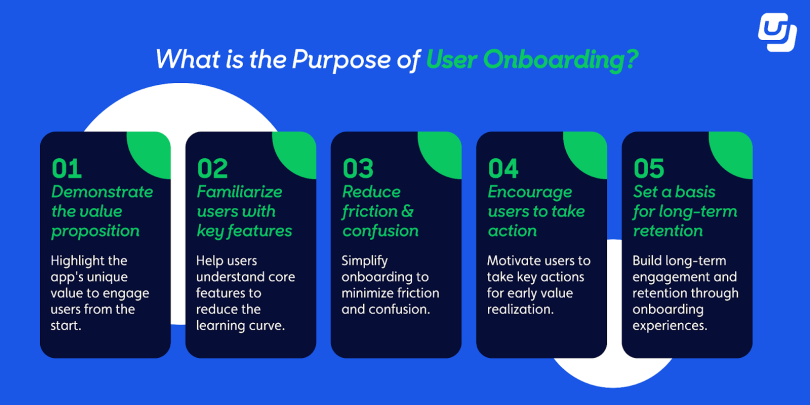

Registration is often treated as a technical necessity. A box to tick before real value begins. For experienced professionals, this assumption is costly.
The registration stage is the first moment where a user commits attention, time, and personal data. Every element of that interaction communicates intent. Is the platform transparent or opaque. Is it respectful of the user’s time or careless with friction. Does it inspire confidence or hesitation.
In competitive digital environments, users rarely tolerate poor first impressions. They compare experiences subconsciously, drawing conclusions long before engaging with core features. This is why registration design plays a decisive role in shaping trust, engagement, and retention.
This article explores how registration flows function as strategic touchpoints, using insights from gaming platforms and extending them to content-driven and productivity platforms.
What Gaming Platforms Teach Us About Effective Registration Design
Gaming platforms operate under intense pressure to convert interest into participation quickly. Users arrive curious but cautious. Any unnecessary friction at the registration stage increases abandonment.
Crash-style games like Aviator highlight this dynamic clearly. The game itself is simple, but participation requires trust. Users must believe that the platform is legitimate before they place even a small stake. Registration becomes the gatekeeper of that belief.
Information associated with aviator registration clarifies how new users create accounts, what details are required, and how access is granted without excessive steps. The essence of this process is efficiency combined with reassurance. The platform minimizes data requests, explains each step, and allows users to reach gameplay quickly while maintaining necessary safeguards.
This balance has a measurable effect. When registration feels purposeful rather than extractive, users are more likely to complete it. More importantly, they begin their interaction with a sense of control rather than obligation.
Several principles consistently emerge from successful gaming registration flows:
- Minimal required input without compromising security
- Clear explanation of why information is needed
- Immediate access to core functionality after completion
These principles are not exclusive to gaming. They apply to any platform that depends on sustained user engagement.
Why Registration Is a Trust Transaction, Not a Technical Step
At the moment of registration, users are evaluating risk. They ask silent questions. Is this platform legitimate. Will my data be handled responsibly. Can I leave easily if I choose.
Gaming platforms understand this instinctively because financial risk is explicit. Content platforms often underestimate it because the risk feels indirect. In reality, users perceive data and attention as currency.
A registration flow that demands too much information too early signals misaligned priorities. It suggests that the platform values extraction over value delivery. This perception erodes trust before engagement begins.
By contrast, registration processes that emphasize clarity and restraint communicate confidence. They imply that the platform expects users to stay because the experience is worthwhile, not because they are locked in.
The Hidden Cost of Overdesigned Registration
Complex registration flows do not filter low-quality users. They filter impatient ones. In most cases, this means filtering out professionals and experienced users who value efficiency.
Overdesign manifests in several ways. Mandatory email verification before exploration. Excessive form fields. Unclear error messages. Each element compounds frustration.
Gaming platforms refine registration aggressively because conversion loss is immediately visible. Content platforms often delay optimization because losses appear gradual. By the time metrics reveal the issue, trust damage is already embedded.
The lesson is clear. Registration should feel like an invitation, not a test.
Applying the Same Principles to Content Platforms and Knowledge Tools
Content platforms and productivity tools face similar onboarding challenges, even if stakes differ. Users arrive with intent but limited patience. They want proof of value quickly.
Platforms focused on articles, research, or workflows often require accounts to personalize experiences or track progress. This requirement must be justified through experience, not explanation.
Applying gaming-inspired onboarding principles improves outcomes:
- Allow users to see value before demanding commitment
- Delay nonessential data collection
- Communicate progress clearly during registration
This approach respects user autonomy. It positions registration as a step toward benefit, not a barrier.
Why Speed Matters More Than Completeness
Many platforms attempt to gather complete profiles during registration. This impulse is understandable but misguided.
Completeness can wait. Momentum cannot.
Gaming platforms prioritize speed because they understand attention decay. Content platforms benefit from the same mindset. Allowing users to engage first creates context. Context increases willingness to share information later.
This sequencing transforms registration from interruption into continuation.
The Role of Feedback and Confirmation
Effective registration flows provide immediate feedback. Users know when they have succeeded. They understand what happens next.
In Aviator, successful registration transitions quickly into action. There is no ambiguity. This clarity reduces cognitive load and reinforces trust.
Content platforms often fail here. Users complete registration but are unsure what to do next. This uncertainty stalls engagement.
Clear post-registration direction is as important as the registration itself.
Long-Term Engagement Starts Before First Use
Retention strategies often focus on features, content quality, or updates. These matter, but they operate downstream.
The tone established during registration influences how users interpret everything that follows. A respectful onboarding experience makes users more forgiving of minor issues. A frustrating one amplifies dissatisfaction.
Gaming platforms measure this effect closely because churn is immediate. Content platforms experience it slowly, but the impact is no less real.
Strategic Implications for Decision-Makers
For professionals responsible for growth, UX, or product strategy, registration design deserves executive attention.
It should be evaluated not just for completion rates, but for emotional impact. Does the process reduce anxiety or increase it. Does it convey confidence or insecurity.
Registration is the first promise a platform makes. Breaking it undermines every promise that follows.
Conclusion
Registration is not a formality. It is a strategic interaction that shapes trust before value is delivered.
Gaming platforms like Aviator demonstrate how efficient, transparent registration flows reduce friction and encourage engagement by respecting user autonomy. These lessons apply directly to content platforms, knowledge tools, and digital services of all kinds.
When registration is treated as part of the experience rather than a prerequisite to it, platforms build stronger relationships from the very first step.