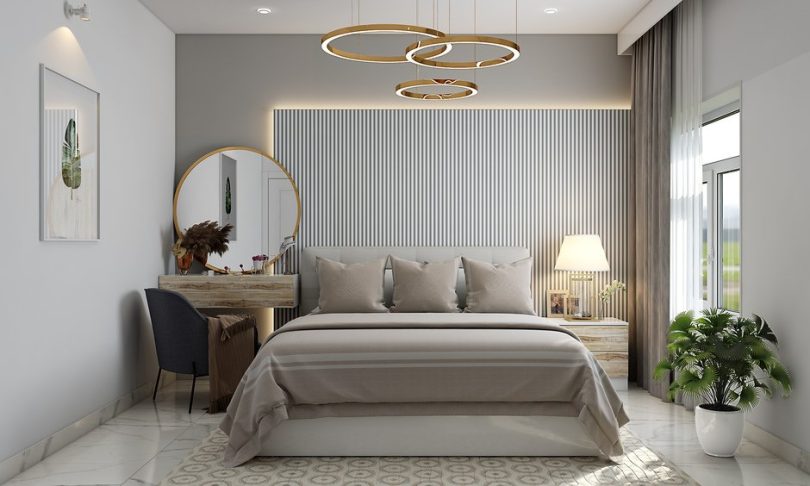

The Old Idea of Luxury Is Wearing Thin
For a long time, luxury meant one thing. Bigger. Taller. Louder.
More rooms. Higher ceilings. Larger price tags.
That idea worked for a while. It helped cities like Dubai grow fast and grab attention. But times have changed. Buyers have changed. Daily life has changed.
Today, many people are asking a simple question. Does bigger really mean better?
The answer, more often than not, is no.
Luxury is being redefined. Comfort and function now lead the conversation. Size is no longer the headline.
Why Bigger Spaces Are Losing Their Appeal
Unused Space Feels Like Waste
Large homes look impressive. They photograph well. They sound good in listings.
But many buyers notice something after moving in. They do not use half the space.
Extra rooms stay closed. Long hallways collect dust. Maintenance costs rise. Cooling bills climb.
A 2024 Knight Frank report showed that over 60% of high-income buyers prefer efficient layouts over larger floor areas. People want homes that work, not homes that echo.
Unused space stops feeling luxurious fast.
Maintenance Changes the Experience
Bigger homes require more effort. More cleaning. More repairs. More energy.
Luxury should feel easy. When a home becomes work, its value drops.
Comfort comes from simplicity. Function supports that comfort.
Comfort Has Become the New Status Symbol
Temperature, Quiet, and Light Matter Most
Ask homeowners what they value most after moving in. The answers are consistent.
Stable indoor temperatures. Quiet rooms. Natural light.
These features improve daily life. They reduce stress. They support sleep and focus.
According to Harvard research, people in well-lit and well-ventilated homes report 25% higher well-being scores. That matters more than an extra bedroom.
Luxury now feels calm, not crowded.
How a Home Feels at Night Counts
Showrooms shine during the day. Real life happens at night.
Good lighting design matters. Sound insulation matters. Airflow matters.
Homes that feel calm after sunset hold value longer. Buyers remember how a space feels, not how large it is.
Function Is Replacing Flash
Layouts That Match Real Life
Modern homes need to adapt. Work. Rest. Gather. Repeat.
Open kitchens connect people. Flexible rooms change roles. Storage stays hidden but accessible.
These features improve flow. They reduce friction.
As Nitin Bhatnagar (Dubai) once said during a walkthrough, “People don’t fall in love with square footage. They fall in love with how a space supports their day.”
That idea guides better design.
Furniture and Movement Matter
Wide spaces mean little if furniture placement feels awkward.
Good function considers how people move. Where they sit. Where they pause.
Design that respects movement feels intuitive. That intuition feels luxurious.
Smaller Homes Can Feel Bigger
Design Creates Perception
Ceiling height. Window placement. Color choices.
These elements shape how a space feels.
A well-designed 900-square-foot apartment can feel more open than a poorly planned 1,300-square-foot one.
Developers now use design tricks that improve perception without adding cost. Fewer walls. Better sight lines. Light colors that reflect daylight.
The result feels generous, not cramped.
Less Space Can Mean Better Living
Smaller homes encourage intentional living. Fewer unused items. Clearer organization.
This improves mental clarity. It also reduces upkeep.
Luxury becomes peace of mind.
Sustainability Pushes the Shift
Efficiency Beats Excess
Large homes consume more energy. Cooling. Lighting. Water.
In hot climates, this matters.
DEWA data shows that cooling can account for over 60% of household energy use. Smaller, efficient homes reduce this burden.
Lower bills feel good. Lower impact feels responsible.
Comfort and function align with sustainability.
Long-Term Costs Shape Perception
Luxury that costs too much to maintain loses appeal.
Efficient homes protect owners from rising energy and water costs. That protection adds value.
Buyers now ask about operating costs early. That question reshapes priorities.
The Market Is Responding
Developers Are Adjusting
New projects focus on smarter layouts. Fewer wasted areas. Better shared amenities.
Rooftop spaces replace private excess. Shared gyms replace oversized rooms.
Bayut market data shows that homes with efficient layouts sell faster than larger units in the same price range.
The message is clear.
Buyers Are Voting With Choices
Search behavior tells the story.
Mid-sized homes with strong design receive more interest than oversized units with poor flow.
Buyers reward comfort and function.
What This Means for Builders
Design Must Lead Early
Comfort and function must guide planning from day one.
Late changes cost money. Early clarity saves it.
Builders who focus on real use cases outperform those who chase size.
Quality Should Replace Quantity
Fewer rooms. Better finishes. Smarter systems.
This balance creates homes that age well.
Quality reduces complaints. It builds reputation.
What Buyers Should Look For
Buyers can make smarter choices.
Ask how rooms connect.
Ask how the home feels at night.
Ask about energy use.
Ask about noise control.
These answers reveal real luxury.
Do not be distracted by size alone.
Actionable Design Principles That Work
1. Prioritize Flow
Ensure rooms connect naturally. Avoid wasted corridors.
2. Maximize Natural Light
Light improves mood and reduces energy use.
3. Plan Storage Early
Hidden storage keeps spaces calm and usable.
4. Invest in Insulation
Quiet and comfort matter more than extra space.
5. Design for Flexibility
Rooms should adapt as life changes.
Why This Shift Will Last
This is not a trend. It is a correction.
People want homes that support life, not impress visitors.
Comfort and function meet real needs. Size often does not.
As work patterns change and sustainability matters more, efficient living wins.
Final Thoughts
Luxury has grown up.
It no longer shouts. It works quietly. It supports daily life.
Comfort replaces excess. Function replaces flash.
The best homes now feel right, not just look big.
That is the new definition of luxury.