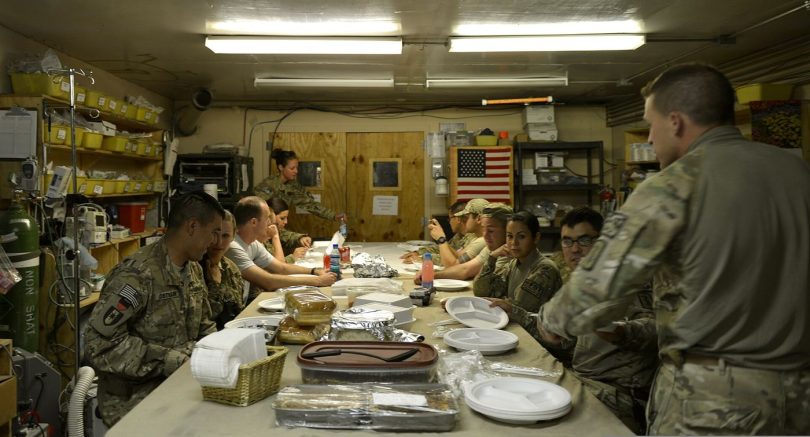

Ask knowledge workers what they did this week and many give the same weary answer: meetings about work, instead of work. Calendar analytics from large employers tell the story in numbers — meeting loads climbed sharply with remote and hybrid work, and have proved remarkably sticky since. Now a growing number of companies are treating the meeting itself as the problem, redesigning their weeks around asynchronous communication: written updates, recorded walkthroughs and decision documents that people consume on their own schedules.
What async actually looks like
In async-first teams, the default update is a document, not a call. Status is written on Monday and read whenever. Questions travel through threaded comments with a promised response window — say, one working day — rather than instant interruption. Meetings survive, but narrowed to what genuinely needs live interaction: decisions with real disagreement, sensitive conversations, creative work that feeds on energy in the room.
The management research is cautiously supportive. Studies discussed by the Harvard Business Review find that cutting meeting time by a third or more typically raises reported productivity and lowers stress, provided teams invest in the writing culture async requires. On notionblogs.com we have interviewed teams that kept the gains — and a few that quietly drifted back to wall-to-wall calls within a quarter.
The failure modes are real
Async fails when it becomes an excuse for silence: threads that drift for days, decisions nobody owns, newcomers marooned without the corridor conversations where context once travelled free. It also demands a skill many workplaces undervalue — clear, concise writing. Companies that succeed treat that as trainable, with templates for updates, proposals and decisions, and leaders who model the behaviour by writing their own thinking down.
Our Business coverage notes the human adjustment is the hard part. Some people think out loud and miss the room; others blossom when given time to think before responding. Good async cultures schedule deliberate social time rather than hoping camaraderie survives on efficiency alone.
The calendar is a budget
The teams making async stick share one insight: a calendar is a budget, and like money, attention spent in one place is unavailable in another. They audit recurring meetings ruthlessly, default to thirty minutes, and ask of every new series the question households ask of subscriptions — would we start this today, knowing what it costs? The week that comes back is not empty. It is, finally, available for the work the meetings were about.
What the calendar audit reveals
Teams that audit their calendars before redesigning them usually find the same exhibits: the weekly meeting nobody remembers creating, the status call that duplicates a dashboard, the gathering of twelve people to hear information two of them produced. The audit is uncomfortable precisely because meetings are rarely anyone’s fault — they accrete, invitation by invitation, like sediment. Async advocates suggest treating every recurring meeting as guilty until it justifies itself quarterly: who decides what in this room, and what would actually break if it stopped? The meetings that survive the question tend to be the ones people describe as the best part of their week. The rest were never meetings. They were habits with catering.