Cold floors on winter mornings. Rooms that never quite reach the right temperature. The constant hum of a forced-air system pushing dry, dusty air through your home. If any of this sounds familiar, hydronic heating might be the solution you’ve been looking for.
Hydronic heating is growing in popularity among homeowners who want consistent warmth, cleaner air, and lower energy bills—without the noise and discomfort that traditional heating systems often bring.
What is Hydronic Heating?
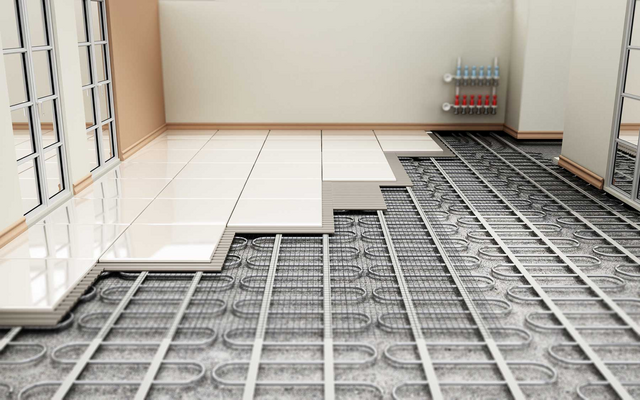
Hydronic heating uses hot water circulated through a network of pipes to warm your home. A boiler heats the water, which then travels through tubing installed beneath floors, inside walls, or through radiator panels. As the water moves through the system, it releases heat evenly across the space before returning to the boiler to be reheated and recirculated.
A typical hydronic heating system includes a boiler, circulation pump, piping, and heat emitters such as radiant floor panels or radiators. Unlike forced-air systems that push heated air through ducts, hydronic heating delivers warmth from the ground up—creating a natural, enveloping feeling of comfort.
The technology has been refined over decades and is now considered one of the most reliable and efficient home heating solutions available.
Benefits of Hydronic Heating for Comfort
The comfort advantages of hydronic heating go well beyond simply feeling warm.
Even heat distribution is one of its most appreciated qualities. Because heat radiates from large surface areas—like an entire floor—it spreads consistently across a room, eliminating the cold pockets and hot spots common with forced-air systems.
Air quality improves significantly because hydronic heating doesn’t circulate air at all. There are no ducts collecting dust, pollen, or allergens, and no blower pushing those particles around your living space. For households with allergy sufferers or young children, this is a meaningful difference.
Quiet operation is another standout feature. With no fans or blowers, hydronic heating systems run almost silently—something that’s easy to take for granted until you’ve experienced a home without constant mechanical noise.
Finally, hydronic heating supports customizable temperature zones. Different rooms or areas of a home can be set to different temperatures, giving each member of the household personalized comfort without heating spaces that aren’t being used.
Energy Efficiency of Hydronic Heating
Water is far more effective at carrying heat than air—roughly 3,500 times more so. This fundamental property makes hydronic heating inherently more energy-efficient than forced-air alternatives.
Because the system retains and transfers heat more effectively, the boiler doesn’t need to work as hard or as frequently to maintain a comfortable temperature. Over time, this translates to lower energy consumption and reduced heating costs.
There’s an environmental upside as well. More efficient energy use means a smaller carbon footprint, especially when the system is paired with a high-efficiency or condensing boiler. For homeowners thinking about long-term sustainability, hydronic heating is a genuinely practical choice.
Installation and Maintenance
Hydronic heating installation is best handled by qualified professionals. The process involves planning the pipe layout, selecting the right boiler for the property’s size, and integrating zone controls if required. While it’s a more involved installation than a standard ducted system, the long-term payoff in comfort and efficiency is well worth it.
Routine maintenance is straightforward. An annual system check—including inspecting the boiler, checking water pressure, and bleeding radiators if needed—keeps everything running smoothly. Catching minor issues early prevents them from becoming costly repairs.
For homeowners looking to install a new system or optimize an existing one, working with experienced specialists makes a significant difference. Eckermann Plumbing offers professional hydronic heating services, providing expert guidance from system selection through to ongoing maintenance. Consulting a team like Eckermann Plumbing ensures the system is correctly sized, installed, and maintained for long-term performance.
Why Choose Hydronic Heating Today
Hydronic heating suits a wide range of property types—new builds, renovations, single-story homes, and multi-level residences alike. Its flexibility makes it a practical option regardless of the size or layout of the space.
From a financial perspective, the upfront investment pays dividends over time. Lower operating costs, minimal maintenance requirements, and a long system lifespan mean the total cost of ownership compares favorably with other heating options.
Modern hydronic heating technology has also become more sophisticated, with smart controls that let homeowners manage zones and schedules from a phone or tablet. Comfort, efficiency, and control—all in one system.
A Warmer, Healthier Home Starts Here
Hydronic heating delivers the kind of warmth that forced-air systems simply can’t replicate—quiet, even, and kind to indoor air quality. For anyone seriously considering a heating upgrade, it’s a solution that delivers on comfort, efficiency, and long-term value.
Exploring your options with knowledgeable professionals like Eckermann Plumbing is a smart first step toward a home that feels as good in winter as it does the rest of the year.