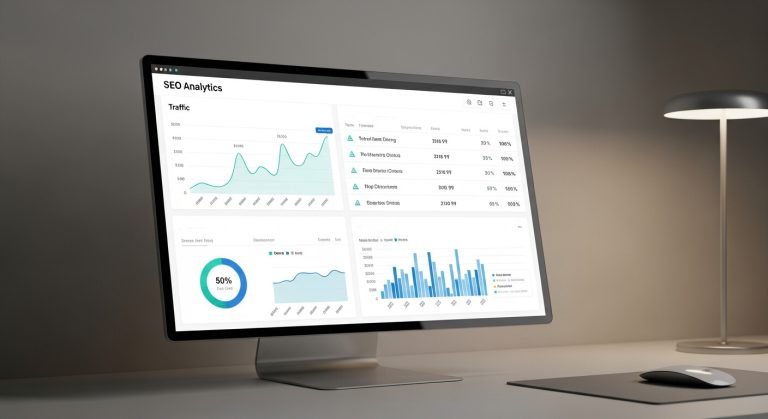

Search engine optimization involves many moving parts: technical health, useful content, search visibility, and links from other websites. The phrase seo-mutatók automatikus ellenőrzése means automated checking of SEO metrics. It describes a practical way to keep track of performance without relying on scattered, occasional manual reviews. For a small business or growing website, regular measurement can turn SEO from a collection of guesses into a manageable part of marketing.
What Automated SEO Checks Can Tell You
Automated checks collect and organize information about a website at regular intervals. Depending on the tools used, they may flag broken pages, missing metadata, slow-loading pages, indexing problems, changes in keyword rankings, or shifts in organic traffic. They can also help teams spot trends that are easy to overlook when looking at individual reports.
Automation does not decide what a business should do next. It makes relevant information easier to find, while people still need to interpret it in context. A sudden traffic decline, for example, could reflect a technical issue, a seasonal change in demand, a search algorithm update, or a change in how a page meets visitors’ needs. The metric is a prompt to investigate, not a complete explanation.
Businesses exploring SEO workflows can review resources such asiCopify’s Hungarian homepage as part of their research. Whatever platform or process a team chooses, it is useful to understand what information is being monitored, how often it is refreshed, and which actions the results can reasonably support.
Choose Metrics That Connect to Business Goals
It is tempting to track every available number, but a crowded dashboard can make priorities less clear. Begin with the outcomes the website is meant to support. An online retailer may care about qualified product visits and purchases from organic search, while a professional firm may focus on inquiries for a specific service.
Useful indicators often include:
Organic visits: How many people arrive through unpaid search results, and how that number changes over time.
Search visibility: Whether important pages appear for relevant queries and how their positions develop.
Technical health: Whether search engines and visitors can access key pages without errors or unnecessary delays.
Engagement and conversions: Whether organic visitors take meaningful next steps, such as reading related content, requesting information, or making a purchase.
Link profile: Whether other relevant websites refer to the business and whether the overall pattern appears natural and credible.
These indicators are most useful when reviewed together. More traffic is not necessarily progress if it comes from irrelevant searches or does not contribute to the business’s objectives. Comparing results with a clear baseline helps teams distinguish meaningful change from normal fluctuation.
Build a Consistent Review Routine
Automated reporting works best when it feeds into a regular decision-making routine. A weekly check can be appropriate for urgent technical issues, while traffic and conversion trends may be easier to interpret over a month or quarter. The right schedule depends on the size of the site, the pace of change, and the resources available.
Each review should answer a few straightforward questions: What changed? Which pages or queries were affected? Is the change large enough to investigate? What action, if any, should follow? Assigning an owner to each action makes it less likely that a report will be generated and then ignored.
It is also important to verify unusual alerts. A tracking tag may stop working, a reporting tool may change its method, or a temporary outage may distort the data. Checking the underlying page and comparing more than one source can prevent teams from making costly decisions based on faulty measurements.
Use SEO Data to Guide Content and Link Decisions
Performance data can reveal where a site needs more useful information. If visitors land on a service page but leave without taking action, the page may not answer their questions clearly. If a helpful article receives steady search visits, it may be worth updating with current examples or connecting it to a relevant service page. These decisions should reflect audience needs, not just a desire to add more keywords.
Links require similarly careful judgment. A backlink report can identify new referring sites and changes in a link profile, but a large link count alone does not prove quality. Relevance, editorial context, and the credibility of the referring website matter. Businesses seeking link building support for small SEO campaigns can useOsdire’s guide to hiring a link-building freelancer to consider skills, costs, and vetting before choosing a specialist. The same measured approach applies whether work is handled internally or by a freelancer: define the goal, agree on quality standards, and review the delivered work.
Keep Automation Useful, Not Overwhelming
A reliable SEO process does not require checking every number every day. Choose a small set of indicators tied to business goals, set sensible alert thresholds, and review reports at a pace the team can maintain. Keep notes on major site changes and marketing campaigns so that results can be interpreted against what was happening at the time.
Automated checking is most valuable when it saves time while improving the quality of decisions. It can help a business notice technical problems sooner, compare performance consistently, and identify pages that deserve attention. Human judgment remains essential for understanding why a change occurred and deciding whether a response is worthwhile.
Conclusion
SEO-mutatók automatikus ellenőrzése offers a useful framework for turning routine website data into practical insight. By selecting relevant metrics, setting a consistent review schedule, validating unexpected changes, and connecting findings to customer and business outcomes, organizations can make SEO more manageable. The goal is not to accumulate reports, but to use dependable evidence to improve a website over time.