
Selling a car can be a straightforward way to receive money for a vehicle you no longer need. Whether you are upgrading to a newer model, moving to another city, or simply reducing your expenses, a cash car sale may offer a convenient alternative to finding a private buyer. However, convenience should never come at the expense of security.
Vehicle sellers can encounter misleading offers, unclear payment arrangements, incomplete paperwork, and buyers who pressure them into making quick decisions. Knowing how to recognise these warning signs can help you protect your money, documents, and personal information. For car owners in Katowice, understanding the selling process is especially useful when comparing professional car-buying services.
1. Research the Buyer Before Accepting an Offer
One of the most effective ways to avoid a scam is to investigate the buyer before agreeing to sell your vehicle. A professional appearance or a convincing advertisement does not automatically prove that a business is trustworthy.
Start by checking the company's name, contact information, business details, and available customer reviews. Look for consistent information across different sources and pay attention to comments describing actual transactions. Repeated complaints about unpaid vehicles, unexpected fees, or poor communication deserve careful consideration.
You should also contact the buyer directly and ask how the transaction works. A legitimate purchaser should be able to explain the valuation process, required documents, payment arrangements, and vehicle collection options clearly.
Avoid relying entirely on social media profiles or anonymous online advertisements. Taking a few minutes to verify the buyer can reduce the risk of dealing with someone who has no intention of completing the transaction properly.
2. Be Careful with Offers That Sound Too Good to Be True
An unusually high offer can be tempting, especially when you want to sell your car quickly. However, some dishonest buyers use inflated prices to attract sellers before introducing unexpected conditions.
For example, a buyer might initially promise an amount well above the vehicle's likely market value, then demand unexplained payments for inspections, administration, or transportation. Another may agree to a generous price but attempt to reduce it substantially at the last moment.
To protect yourself, research comparable vehicles and obtain more than one valuation when possible. Consider the car's age, mileage, technical condition, service history, and equipment before deciding whether an offer is reasonable.
Ask whether the proposed price is final or subject to inspection. If adjustments are possible, request an explanation of the factors that could affect the final amount.
A fair transaction should be based on clear information rather than unrealistic promises or pressure.
3. Understand the Payment Method Before Signing
Payment security is one of the most important parts of a vehicle sale. Before handing over your keys or signing the final handover documents, make sure you understand exactly how and when you will receive the agreed amount.
Cash payment may be offered by some buyers, while others prefer a bank transfer. In either case, establish the payment method in advance and ensure that the arrangement complies with applicable legal requirements.
If payment is made by bank transfer, verify the funds through your own banking application or by contacting your bank through an official channel. Do not rely solely on a screenshot, email, or message claiming that a transfer has been completed.
If you agree to receive physical cash, count it carefully in a safe setting. For larger sums, consider whether a bank-assisted transaction or another secure payment arrangement would be more appropriate.
Never assume that payment has been completed simply because the buyer shows you a document or confirmation on a phone. Confirm receipt before completing the handover.
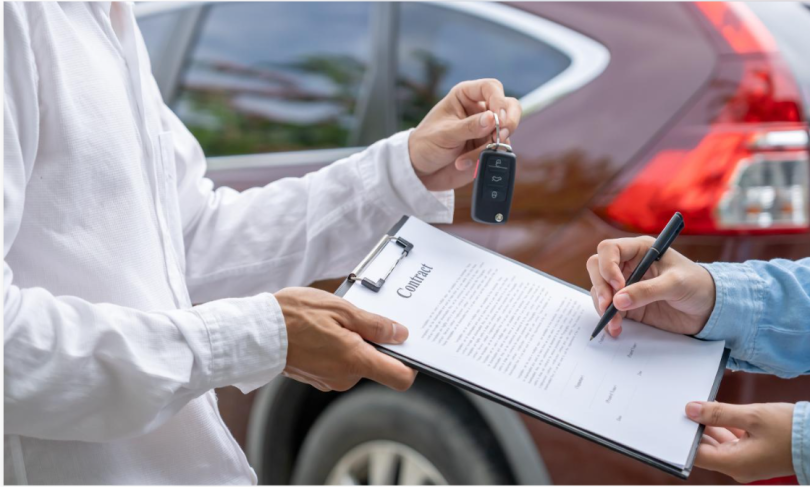
4. Use a Written Purchase Agreement
A written agreement provides an important record of the transaction and helps both parties understand their responsibilities. Verbal promises can be difficult to verify if a disagreement arises later.
The document should identify the buyer and seller, describe the vehicle accurately, and state the agreed purchase price. It should also include relevant vehicle identification details, the transaction date, and any agreed conditions concerning collection or payment.
Read the complete document before signing it. Make sure that all information is correct and that there are no blank spaces that could later be filled in without your knowledge.
If the buyer makes a promise about payment timing, outstanding repairs, or collection costs, ask for the relevant terms to be documented. Do not sign a contract containing statements you know to be inaccurate.
Keep a signed copy for your records. It can help establish the details of the sale if questions arise after the vehicle has changed hands.
5. Recognise Pressure Tactics and Hidden Fees
Dishonest buyers may try to create urgency by claiming that an offer is available for only a few minutes or that several other sellers are competing for the same opportunity. Their aim may be to stop you from comparing prices or reading the agreement carefully.
You should also be cautious when a buyer introduces charges that were never discussed. Collection, inspection, paperwork, or administrative fees should be explained before you commit to the transaction.
When searching for skup aut za gotówkę Katowice, ask potential buyers to provide a clear breakdown of any costs and confirm the amount you will actually receive.
A trustworthy buyer should allow reasonable time for questions and document review. If someone becomes aggressive, avoids direct answers, or insists that you sign immediately, consider ending the discussion.
Walking away from an unclear offer is often safer than trying to resolve a dispute after the sale.
6. Protect Your Personal Information and Vehicle Documents
Selling a vehicle requires sharing certain information, but you should avoid providing unnecessary personal details.
Only share documents that are reasonably required for the valuation or transaction, and ask why additional information is needed. Be especially careful with identity documents, banking details, passwords, verification codes, and photographs containing sensitive information.
Never disclose online banking credentials or one-time security codes to a prospective buyer. A legitimate car purchaser does not need access to your banking account to pay you.
Keep original documents secure until the appropriate stage of the transaction. If copies are requested, consider whether sensitive information can be appropriately protected without interfering with legitimate verification requirements.
Before handing over the vehicle, check that you have retained copies of the sale agreement and other important transaction records.
7. Arrange Vehicle Collection Safely
If the buyer offers to collect the car, agree on the time, location, and responsibilities beforehand. Choose a sensible handover location and avoid situations that make you feel uncomfortable or pressured.
Confirm who will collect the vehicle and whether the person is authorised to represent the purchasing business. If the car is not roadworthy or does not have the required insurance, arrange lawful transportation rather than driving it to the buyer.
Before handing over the keys, verify the payment and complete the agreed documentation. Record the date and time of handover and make sure the vehicle details in the paperwork are accurate.
Remove personal belongings, parking permits, garage remotes, and any stored documents that should not remain in the vehicle. You should also review any connected services or devices associated with the car.
8. Complete the Required Legal Formalities
A safe sale does not end when the money is received. Sellers should follow the applicable Polish requirements concerning ownership transfer, registration notifications, and insurance.
Contact your insurer and the relevant authorities to confirm the current obligations and deadlines. Keep the signed agreement and proof of payment in a safe place.
If the vehicle is jointly owned, inherited, financed, or registered to a business, additional requirements may apply. Make sure that everyone with the necessary legal rights has authorised the transaction.
If you discover suspicious conduct during the sale, preserve messages, payment records, advertisements, and other evidence. Contact your bank or the appropriate authorities promptly if money or sensitive information may be at risk.
Conclusion
Selling a car for cash can be convenient, but a secure transaction depends on careful preparation. Research the buyer, compare realistic offers, verify payment, read every document, and refuse to accept unexplained charges or unnecessary pressure.
For vehicle owners considering skup aut za gotówkę Katowice, the best approach is to choose a buyer who communicates transparently and provides clear written terms. A little preparation can help you avoid common scams, protect your personal information, and complete the sale with greater confidence.
Remember that a genuine buyer should be willing to explain the process, answer reasonable questions, and respect your decision-making time. If an offer feels suspicious or the conditions keep changing, do not hesitate to walk away and consider another option.