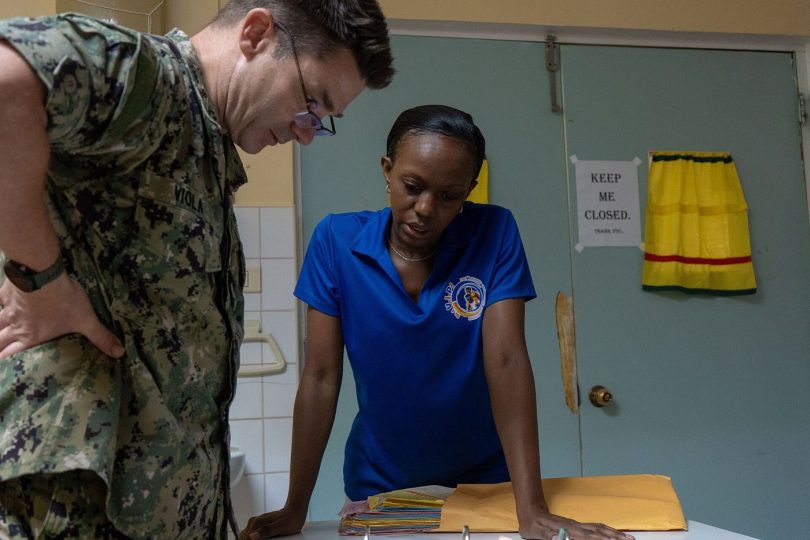

Family doctors are sharing practical advice as the usual winter illnesses, including colds, influenza, and other respiratory infections, begin to circulate more widely in schools and workplaces. Most mild illnesses improve with rest, fluids, and time, and doctors say antibiotics do not help infections caused by viruses. Patients are encouraged to seek advice sooner if symptoms worsen, breathing becomes difficult, or a fever persists, and to take extra care when illness affects babies, older people, or those with long term conditions. Clinics are also reminding eligible patients to book seasonal vaccinations, which remain an effective way to reduce severe illness.
What the Evidence Shows
During consultations, doctors often focus on helping patients understand which symptoms can safely be managed at home and which need prompt review. Simple measures such as regular hand washing, catching coughs in tissues, and staying home while feeling very unwell can reduce spread to classmates and colleagues. Pharmacists can advise on suitable over the counter remedies and whether they are safe alongside existing medicines. Practices expect demand to rise over the coming weeks and ask patients to use online booking and prescription services where possible, keeping telephone lines clearer for people with urgent concerns or those who are not confident using digital tools. Reporting and analysis from sources such as World Health Organization track the same developments, and specialists following winter illness doctor advice say the direction is now consistent across independent lines of evidence.
The Wider Context
The wider context is a health system trying to move from treating illness late to preventing it early, against budgets that reward the opposite. Evidence around winter illness doctor advice is being weighed by guideline committees that ask two questions in order: does it work, and can ordinary services actually deliver it at scale. Many good ideas pass the first test and stall on the second.
What Happens Next
What happens next for winter illness doctor advice depends on the slow machinery of guidelines, funding and training catching up with the evidence. Patients asking about it today should expect honest answers that include uncertainty, and clinicians say a service that explains what is not yet known earns more trust than one that oversells. The research pipeline, at least, is moving in the right direction. You can follow related developments in our coverage of health.
There is a practical lesson in all of this for readers deciding what to do today. Start with the verified facts, be wary of anyone promising certainty, and prefer reversible steps while the evidence is still developing. Circumstances differ by country, income and personal situation, so general guidance should always be weighed against your own context before you act on it in any significant or lasting way.
It is also worth remembering how quickly the picture in this area has changed before. Positions that looked settled a few years ago have been revised as new data arrived, and the same humility is appropriate now. The strongest coverage of this subject, and the most useful advice, tends to come from sources that update their views openly when the facts move, rather than defending an earlier position long after it has stopped fitting the evidence available.