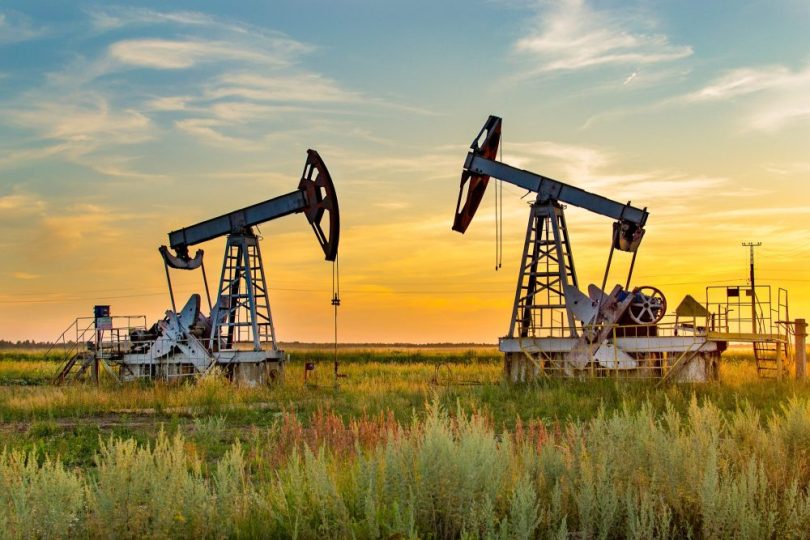

Oil and gas often look chaotic from the outside. Prices jump. Headlines change weekly. New tools promise certainty. Then reality hits. Wells decline. Markets swing. Plans fall apart.
Long-term thinking cuts through that noise. It turns a volatile industry into something steady and understandable. It does not remove risk. It puts risk in its proper place.
This article explains why long-term thinking creates stability in oil and gas, how it shows up in real projects, and what people can do to apply it in practical ways.
Why Oil and Gas Feels Unstable
Oil and gas are tied to many forces at once. Weather affects production. Global events shift supply. Demand rises and falls with seasons and economies.
The U.S. Energy Information Administration shows that oil prices often swing 20–40% within a single year. These swings are normal. They have happened for decades. They will keep happening.
What makes the industry feel unstable is not the swings themselves. It is how people react to them.
Short-term thinking turns normal cycles into panic.
Long-Term Thinking Changes the Frame
Long-term thinking does not ask, “What will prices do next month?”
It asks, “How does this system behave over years?”
Oil and gas systems move slowly underneath fast markets. Rock formations took millions of years to form. Wells operate for decades. Decline curves follow known shapes.
When people focus on these slow systems, stability appears.
A field manager once said, “The market shouts. The rock whispers. I trust the whisper.” That mindset defines long-term thinking.
Decline Curves Are the First Lesson
Decline curves explain how wells behave over time. Most shale wells decline 60–70% in the first year. Then the drop slows. Production flattens. Long tails follow.
This pattern repeats across basins.
People who expect flat production feel disappointed. People who expect decline stay calm.
A mineral owner in Colorado described it clearly. “Month three scared me. Month twelve made sense. Year five paid for my patience.”
Decline curves reward people who plan past the first year.
Stability Comes from Portfolios, Not Single Wells
Single wells are unpredictable. Portfolios are not.
A single well might underperform. Another nearby might overperform. When combined, they balance each other.
Industry data shows that diversified oil and gas portfolios reduce production volatility by 30–40% compared to single-asset exposure.
Long-term thinkers spread exposure across:
- Multiple wells
- Multiple operators
- Multiple basins
This smooths results over time.
Groups like G2 Petroleum texas built stability by applying this idea early. They stopped trying to win on single outcomes. They focused on systems.
Technology Helps, But Time Explains More
Modern tools are impressive. Seismic imaging. Advanced logging. Real-time data streams.
They reduce uncertainty. They do not remove it.
In the Appalachian Basin, advanced tools pointed to promising zones. Wells were drilled. Results disappointed. The tools were not wrong. They were incomplete.
A geologist involved said, “The data showed possibility. The rock showed limits.”
Long-term thinking treats tools as guides. Not promises.
Markets Move Fast. Geology Moves Slow
Markets respond to news. Geology responds to pressure, porosity, and time.
This mismatch creates stress for short-term thinkers.
Oil prices fell sharply in 2008, 2015, and 2020. Each time, demand recovered. Production adjusted. The system continued.
People who planned around short-term prices felt whiplash. People who planned around long-term production stayed steady.
A Texas operator summed it up. “I stopped checking prices daily. My wells didn’t care.”
Why Royalties Reward Long-Term Thinking
Royalties strip away operational noise. The owner does not drill. The owner does not manage crews. The owner tracks production.
This simplicity makes long-term thinking easier.
Royalties benefit from:
- Long production tails
- New wells on existing acreage
- Basin-wide development over decades
The National Association of Royalty Owners estimates that over 12 million Americans now hold mineral or royalty interests. Many of them inherit assets designed to last longer than a career.
Royalties punish impatience. They reward consistency.
How Long-Term Thinking Reduces Stress
Stress often comes from surprise. Long-term thinking removes surprise.
When people understand:
- Decline curves
- Basin behaviour
- Operator patterns
- Development timelines
They stop reacting emotionally.
A landowner once said, “Once I knew what normal looked like, nothing felt urgent anymore.”
Stability is often psychological before it is financial.
Actionable Ways to Think Long-Term
Long-term thinking is not abstract. It is practical. These steps help anyone apply it.
Track yearly averages, not monthly swings
Monthly numbers bounce. Yearly numbers tell the story.
Compare wells within 10–20 miles
Local data beats national trends.
Study how basins mature
Early development looks different from late development. Know which stage your area is in.
Expect decline, then plan for the tail
Early drops are normal. Long tails are the prize.
Spread exposure where possible
More wells reduce the impact of any single disappointment.
Ignore urgency
Geology does not expire. Offers do.
What Long-Term Thinkers Do Differently
Long-term thinkers share habits.
They:
- Ask fewer “what if” questions
- Ask more “what has happened before” questions
- Review data on a schedule
- Write things down
- Change plans slowly
A drilling supervisor once said, “Fast decisions are for emergencies. This industry rarely has emergencies.”
That mindset creates stability.
Why Stability Wins Over Time
Stability compounds. Small steady gains beat big swings.
Oil and gas rewards those who stay in the game long enough to let systems work. Wells decline, but they do not vanish. Basins slow, but they do not disappear overnight.
Long-term thinkers survive cycles. Short-term thinkers chase them.
A veteran investor explained it simply. “I stopped trying to be right every year. I focused on being here every year.”
Final Thoughts
Oil and gas will always look volatile on the surface. Underneath, patterns repeat. Decline curves behave. Basins mature. Demand returns.
Long-term thinking does not make the industry boring. It makes it readable.
When people align expectations with how systems really work, stability appears. Not as a promise. As a pattern.
The people who thrive in oil and gas are rarely the loudest. They are the ones still standing when the noise fades.