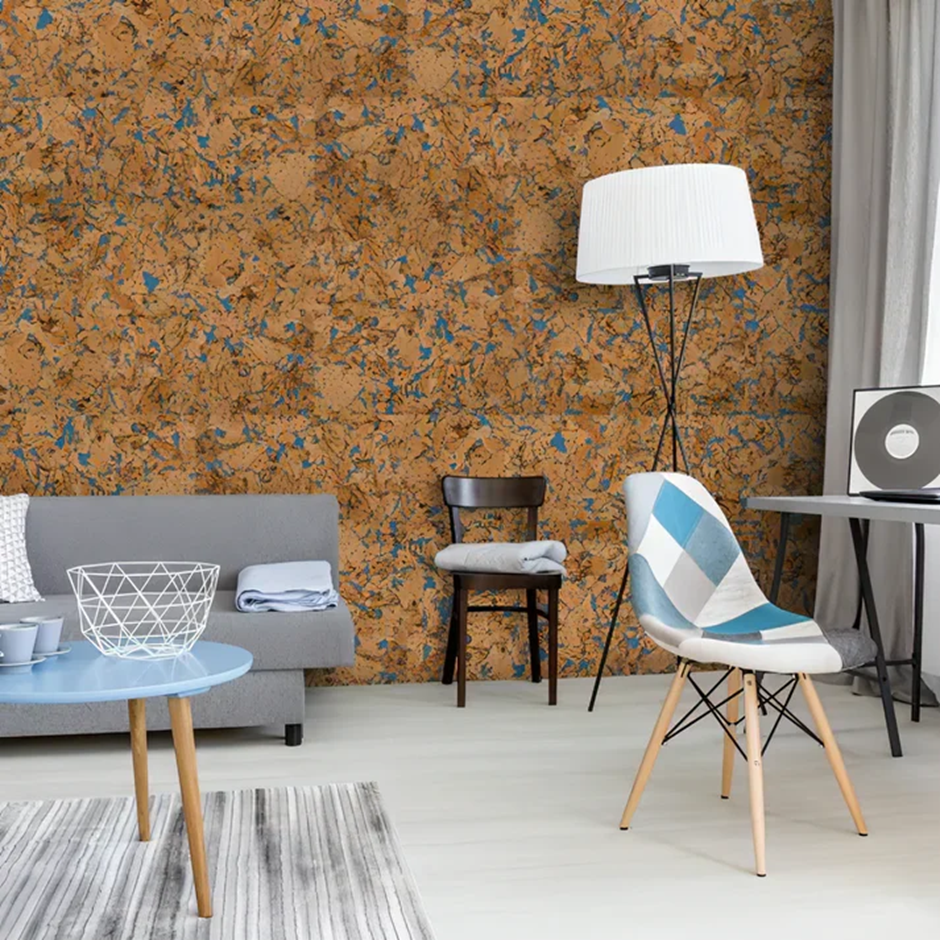
Today, more attention is being paid not only to the appearance of interiors but also to how they affect the everyday comfort of household members. This is especially important for people with allergies, who are more sensitive to dust, dust mites, and chemical substances found in some finishing materials. Carefully selected interior solutions can help reduce potential allergens while making cleaning and maintenance easier. Experts fromhttps://corksystem.co.uk/ point out that it is worth paying close attention to the materials used for floors, walls, and decorative elements when designing a healthy living environment.
Why Does the Choice of Finishing Materials Matter for Allergy Sufferers?
Many people associate allergies mainly with pollen or pet dander, but factors present inside buildings can be just as significant. Household dust, dust mites, mould, and volatile organic compounds released by certain materials may negatively affect wellbeing and intensify allergic reactions. Low-quality products containing large amounts of synthetic additives or chemical preservatives can be particularly problematic. For this reason, when planning or renovating an interior, it is worth considering not only aesthetics but also the composition and performance of the materials being used.
Which Flooring Works Best in an Allergy-Friendly Home?
Flooring is one of the largest surfaces in any interior, making it an important consideration for allergy sufferers. Thick carpets and textile floor coverings can trap dust and make thorough cleaning more difficult, so they are often best avoided. Easy-to-clean surfaces are generally a much better choice. Popular options include hardwood flooring, ceramic tiles, and natural materials with antistatic properties. Cork is also attracting growing interest, as it combines natural origins with everyday comfort. Its structure does not attract excessive amounts of dust, and its surface can be kept clean with minimal effort.
Walls and Finishes Without Unnecessary Chemicals
People sensitive to allergens should pay attention to low-VOC paints and finishing products that meet recognised quality standards. It is advisable to choose materials that do not release strong odours long after renovation work has been completed. Resistance to moisture is equally important, as damp conditions encourage mould growth. Cork wall coverings can additionally improve acoustic comfort while providing an attractive and natural design feature.
Natural Materials Are Becoming Increasingly Popular
Homeowners and designers are increasingly turning to natural materials when creating modern interiors. Wood, linen, wool, and cork have been used in construction and interior design for many years and continue to be valued for their durability, appearance, and practical benefits. Cork stands out thanks to its excellent insulating properties and lightweight structure, making it suitable for both floors and walls. Its natural origin fits perfectl