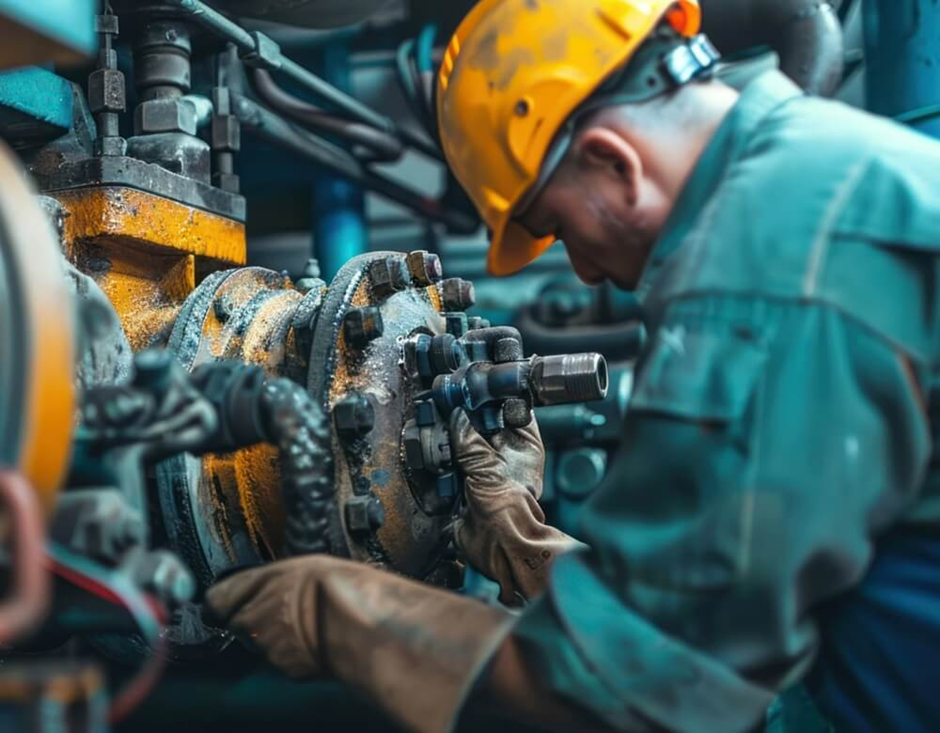
A class overhaul is far more than a routine repair carried out during a vessel’s scheduled downtime. It is a comprehensive process involving technical inspections, scope definition, documentation, communication with the shipowner, acceptance procedures, and compliance with classification society requirements. At this stage, shipowners need a partner who can do more than perform repairs — they need a company that takes responsibility for technical assessment, reporting, and preparing equipment for continued safe operation. This is exactly the role of etmal.com.pl/en. With extensive experience in marine repair and servicing, its own workshop facilities, and expertise in mechanical, hydraulic, and electrical systems, ETMAL manages the entire process — from the initial condition assessment to final acceptance and recommendations for the next operational cycle.
The scope of the overhaul should be determined by the vessel’s actual condition
ETMAL begins every class overhaul with a thorough technical assessment rather than a predefined checklist of repair tasks. Equipment inspections, clearance measurements, and detailed evaluations of hydraulic, electrical, mechanical, and working components enable specialists to identify which repairs require immediate attention and which can be safely scheduled for a future maintenance cycle. This approach gives shipowners greater control over the scope of work, project costs, and the sequence of technical operations.
Different systems must be integrated into one repair strategy
A vessel is an interconnected system in which every component affects the performance of others. A hydraulic fault may compromise crane operation, a loading ramp often requires simultaneous mechanical and electrical assessment, while a winch depends on the proper condition of its brake, drive, control system, and working components. During a class overhaul, it is essential to work with a contractor who looks beyond individual failures and understands the interaction between onboard systems. This comprehensive approach reduces the risk of recurring issues after the overhaul and allows for better planning of testing, inspections, acceptance procedures, and the safe recommissioning of equipment.
One contractor reduces organisational complexity
Dividing responsibilities among multiple contractors often results in delays, communication issues, and more complicated acceptance procedures. Thanks to its experience in servicing a wide range of marine equipment, its in-house technical facilities, and comprehensive documentation practices, ETMAL can assume responsibility for both the technical and organisational aspects of the project. For shipowners, this means smoother communication, a clearer project schedule, and fewer situations where unresolved decisions delay subsequent stages of the overhaul.
Documentation is an essential part of operational safety
In class overhauls, completing the work is only part of the process — equally important is how every stage is documented. Inspection reports, test records, acceptance protocols, and operational recommendations support future technical decision-making while improving the predictability of vessel operation. Well-prepared documentation facilitates classification inspections and provides shipowners with a clear picture of the condition of onboard equipment once the overhaul has been completed.