
Rice is a staple food in households around the world. From daily family meals to special occasions, it plays a central role in many cuisines. However, despite its long shelf life, rice is surprisingly vulnerable once it is opened and stored improperly. Exposure to air, moisture, pests, and odors can quickly compromise its freshness, flavor, and safety. Many households experience issues such as stale rice, mold growth, or even insect infestation without fully understanding why these problems occur.
This is where proper storage becomes essential. In recent years, vacuum rice containers have gained popularity as a practical and effective solution for preserving rice quality over time. By reducing air exposure and creating a sealed environment, vacuum storage helps maintain rice freshness far longer than traditional storage methods. In this article, we will explore why rice freshness matters, common storage mistakes, and the key benefits of using a vacuum rice container in everyday life.
Why Rice Freshness Matters More Than You Think
At first glance, dry rice may seem almost indestructible. Many people assume that as long as it is kept dry, it will remain edible indefinitely. While rice does have a longer shelf life than many foods, freshness still plays an important role in taste, texture, and safety.
Over time, rice can absorb moisture from the air, leading to clumping, off smells, or mold growth. Oils naturally present in certain types of rice, such as brown rice or jasmine rice, can oxidize when exposed to oxygen, causing rancid flavors. In addition, rice stored in open bags or loosely sealed containers can easily attract pantry pests such as weevils and moths.
Fresh rice cooks more evenly, tastes cleaner, and retains its original aroma. Proper storage is not just about avoiding waste; it directly affects the quality of the meals you prepare for yourself and your family.
Common Rice Storage Problems in Everyday Households
Before discussing vacuum storage, it is helpful to understand the most common rice storage mistakes made in homes.
One major issue is storing rice in its original packaging. Paper or thin plastic bags offer little protection against air, humidity, or insects once opened. Another common mistake is using non-airtight containers that allow slow but constant air exchange, accelerating oxidation and moisture absorption.
Humidity is another major enemy of rice. Kitchens and pantries are often exposed to temperature changes, steam from cooking, and seasonal humidity, especially in warmer months. Even a small amount of moisture can create the perfect environment for mold or spoilage.
Finally, odors from nearby foods can be absorbed by rice over time. Strong-smelling items such as spices, onions, or cleaning products can affect the aroma and taste of rice if it is not properly sealed.
What Is a Vacuum Rice Container?
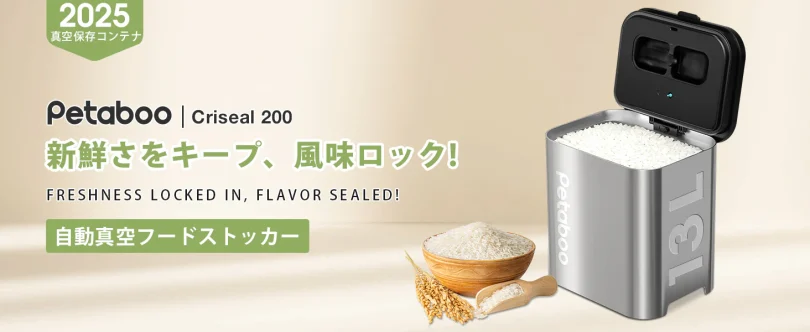
A 真空 米びつ is a storage container designed to remove or significantly reduce the amount of air inside after sealing. Unlike standard airtight containers that merely block external air, vacuum containers actively reduce internal oxygen levels.
Most vacuum rice containers feature a durable body made of materials such as stainless steel or food-grade plastic, combined with a tight-sealing lid and a vacuum mechanism. This mechanism may be manual or built into the lid, allowing users to easily remove excess air after adding rice.
By limiting oxygen and isolating the contents from the surrounding environment, vacuum containers create a stable storage condition that helps preserve rice freshness over a longer period.
How Vacuum Storage Helps Preserve Rice
Reduced Oxygen Exposure
Oxygen is one of the primary causes of food degradation. When rice is exposed to air, oxidation occurs, affecting both flavor and nutritional value. Vacuum storage significantly reduces oxygen levels inside the container, slowing down this process.
This is particularly beneficial for brown rice, which contains natural oils that spoil more quickly than white rice. Vacuum storage helps extend its usable life while preserving its nutty flavor.
Moisture Control
Vacuum rice containers create a sealed environment that prevents moisture from entering. This is especially important in humid climates or during rainy seasons when ambient moisture levels are high.
By keeping rice dry, vacuum storage reduces the risk of mold growth, clumping, and spoilage. Dry rice also cooks more consistently, resulting in better texture and taste.
Protection Against Pests
Pantry pests are a common concern when storing grains. Insects are attracted to rice stored in bags or loosely sealed containers and can quickly contaminate large quantities.
Vacuum containers act as a physical barrier, preventing insects from entering. Additionally, the reduced oxygen environment makes it less hospitable for pests, offering an added layer of protection without the need for chemicals or additives.
Odor Isolation
Rice is highly absorbent and can easily take on surrounding odors. Vacuum rice containers prevent external smells from penetrating the container, ensuring that rice maintains its original aroma.
This is particularly useful in kitchens where multiple food items are stored in close proximity.
Vacuum Rice Containers vs. Traditional Storage Methods
Compared to traditional storage options such as bags, jars, or basic plastic bins, vacuum rice containers offer several clear advantages.
Standard containers rely solely on tight seals, which can degrade over time or be compromised by frequent opening. Each time the container is opened, fresh air enters and remains inside. Vacuum containers, on the other hand, allow users to remove air again after each use.
In addition, vacuum containers are often designed with durability and hygiene in mind, featuring smooth interiors that are easy to clean and resistant to staining or odor retention.
Practical Benefits for Everyday Use
Beyond food preservation, vacuum rice containers offer practical advantages that fit seamlessly into daily routines.
They help keep pantries organized by reducing clutter from bulky rice bags. Clear measurement markings or transparent designs make it easy to monitor remaining quantities and plan grocery shopping.
Vacuum containers also contribute to reducing food waste. By keeping rice fresh longer, households are less likely to discard spoiled or infested rice, leading to long-term cost savings.
For families that buy rice in bulk, vacuum storage is especially valuable. Bulk purchasing is often more economical, but only if the rice can be stored properly over time.
Suitable for Different Types of Rice
Vacuum rice containers are versatile and suitable for a wide range of rice varieties. White rice, brown rice, jasmine rice, basmati rice, and even specialty grains all benefit from vacuum storage.
Brown rice, in particular, sees the greatest improvement in shelf life due to its higher oil content. Vacuum storage helps slow down rancidity and maintain nutritional value.
Tips for Using a Vacuum Rice Container Effectively
To get the most out of vacuum storage, it is important to follow a few simple practices. Always ensure the container is clean and completely dry before adding rice. Moisture trapped inside can compromise storage conditions.
Avoid opening the container unnecessarily, and reapply the vacuum seal after each use. Store the container in a cool, shaded area away from direct sunlight or heat sources.
If storing different types of rice, use separate containers to prevent mixing aromas and cooking characteristics.
Conclusion: A Smarter Way to Store Rice
Keeping rice fresh is not just about extending shelf life; it is about preserving quality, flavor, and peace of mind. Improper storage can lead to wasted food, unpleasant odors, and unnecessary frustration in the kitchen.
A vacuum rice container offers a simple yet highly effective solution to these common problems. By reducing oxygen exposure, controlling moisture, preventing pests, and isolating odors, vacuum storage creates an ideal environment for rice preservation.
Whether you cook rice daily or store it for occasional use, investing in proper storage can make a noticeable difference in both taste and convenience. In the long run, vacuum rice containers help turn a basic pantry staple into a consistently fresh and reliable ingredient for every meal.