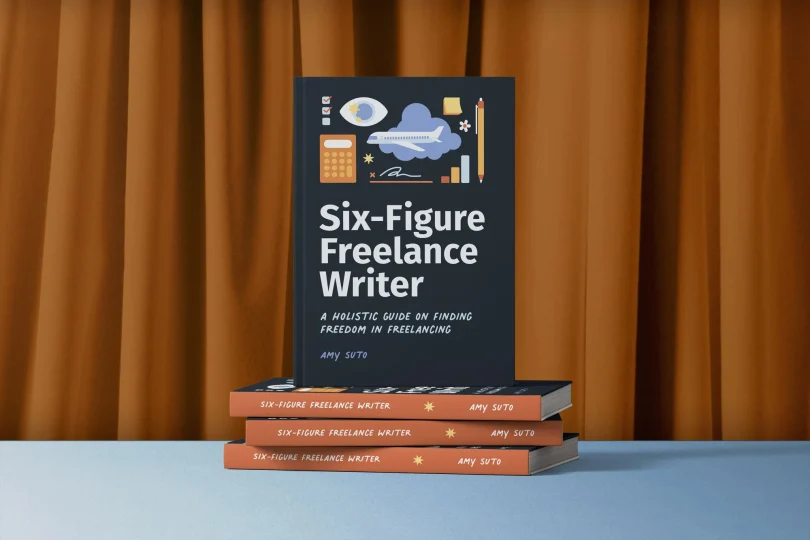

In the world of publishing, paperback book printing continues to be one of the most popular and practical ways to bring stories, knowledge, and ideas to life. Despite the rapid growth of digital reading platforms, paperback books remain widely preferred because they are affordable, portable, and easy to distribute. For authors, publishers, and businesses looking to publish books, understanding the process of paperback book printing is essential to producing professional and market-ready publications.
Whether you are a first-time author, a small publishing company, or an organization planning to print educational materials, paperback books provide a reliable format that balances quality and cost-effectiveness.
Why Paperback Books Remain So Popular
Paperback books have been a staple of the publishing industry for decades. Unlike hardcover books, paperbacks are lighter, less expensive to produce, and easier for readers to carry. This makes them a preferred choice for novels, educational materials, self-help guides, and many other genres.
One of the biggest advantages of paperback books is their affordability. Lower production costs mean publishers can price them competitively, which often results in higher sales. Readers are also more likely to try new authors or genres when books are reasonably priced.
Another reason for their popularity is flexibility. Paperback book printing supports a wide variety of sizes, paper types, and finishes, allowing authors and publishers to create books that align with their brand and audience expectations.
The Process Behind Paperback Book Printing
Producing a high-quality paperback book involves several important stages, each contributing to the final result.
The first stage is manuscript preparation. This involves editing, proofreading, and formatting the text so that it fits properly within the book layout. Professional formatting ensures consistent margins, spacing, and typography.
Next comes the design stage. This includes interior layout design and cover design. The cover is especially important because it is the first thing potential readers notice. A well-designed cover can significantly increase a book’s chances of standing out in a competitive market.
Once the design is finalized, the printing stage begins. Modern printing technologies such as digital printing and offset printing allow publishers to produce books efficiently while maintaining excellent quality.
After printing, the books go through binding and finishing processes. Paperback books typically use perfect binding, where pages are glued together along the spine and attached to a flexible cover.
Choosing the Right Paper and Materials
Selecting the right materials plays a crucial role in the overall quality of a paperback book. Paper weight, texture, and color can affect both readability and durability.
Many novels use cream-colored paper because it reduces eye strain and provides a comfortable reading experience. Educational or technical books often use white paper because it enhances clarity for diagrams and images.
Cover materials are also important. Paperback covers are usually printed on thicker cardstock with a glossy or matte finish. Glossy finishes create a vibrant look, while matte finishes provide a more elegant and professional appearance.
The spine width must also be carefully calculated based on page count and paper thickness. A well-measured spine ensures the book binds properly and looks professional on shelves.
Digital Printing vs Offset Printing
When it comes to paperback book printing, publishers typically choose between digital printing and offset printing.
Digital printing is ideal for smaller print runs. It allows authors and publishers to print books on demand, which helps reduce inventory costs and eliminates the need for large storage spaces. This method is especially popular among self-published authors.
Offset printing, on the other hand, is more cost-effective for large print runs. While the initial setup cost is higher, the cost per book decreases significantly when printing thousands of copies.
Both methods produce high-quality books, but the choice depends largely on budget, quantity, and distribution plans.
The Role of Print on Demand in Paperback Publishing
Print on demand has transformed the publishing industry. Instead of printing thousands of copies at once, books can now be printed only when an order is placed.
This approach minimizes financial risk and allows authors to test the market without investing heavily upfront. For independent authors, print on demand combined with paperback book printing provides an accessible way to publish and sell books globally.
Many online publishing platforms integrate print on demand services with global distribution networks, allowing books to reach readers through major online retailers.
Designing a Professional Paperback Book
While printing quality is important, design plays a major role in how readers perceive a book. Professional layout and cover design can significantly influence purchasing decisions.
The interior layout should maintain consistent typography and proper spacing to ensure readability. Elements such as chapter headings, page numbers, and margins must follow industry standards.
Cover design should clearly communicate the theme of the book while remaining visually appealing. Key components include the title, author name, subtitle, and back cover description. Including an ISBN barcode is also essential for retail distribution.
Investing in professional design services can greatly enhance the final product and improve the book’s credibility.
Benefits of Professional Paperback Book Printing Services
Working with professional printing services offers several advantages. Experienced printers understand industry standards and can guide authors through every step of the process.
Professional printers provide advanced equipment that ensures accurate color reproduction, consistent page quality, and durable binding. They also offer options for customization, including different trim sizes, paper types, and cover finishes.
Additionally, professional printing services often include proof copies. These allow authors to review the physical book before final production, ensuring that any errors can be corrected early.
Common Mistakes to Avoid
Many first-time authors encounter challenges during the printing process. Avoiding common mistakes can save time and money.
One common issue is incorrect formatting. Improper margins or font sizes can cause text to appear cramped or misaligned once printed.
Another mistake is ignoring bleed and trim requirements for cover design. If these specifications are not followed, parts of the cover artwork may be cut off during production.
Low-resolution images can also affect print quality. All images should be high resolution to ensure they appear sharp and professional in the final product.
Carefully reviewing print proofs before final approval is one of the most effective ways to prevent costly errors.
How Paperback Books Support Author Branding
Paperback books are more than just reading materials. They are powerful branding tools for authors and businesses.
A professionally printed book enhances credibility and establishes authority within a niche. Many entrepreneurs, educators, and thought leaders use books to share expertise and build trust with their audience.
Paperback books can also be used for events, workshops, and marketing campaigns. Handing out a well-produced book leaves a lasting impression and helps expand an author’s reach.
The Future of Paperback Book Printing
Even as digital reading grows, paperback books continue to thrive. Many readers still prefer the tactile experience of holding a physical book, turning pages, and adding personal notes.
Advancements in printing technology are making paperback book printing more efficient and environmentally friendly. Sustainable paper options, eco-friendly inks, and energy-efficient production methods are becoming increasingly common.
These innovations allow publishers to maintain high-quality standards while reducing environmental impact.
Final Thoughts
Paperback books remain one of the most accessible and versatile formats in the publishing industry. From novels and memoirs to educational resources and business guides, paperback book printing allows authors and publishers to share their ideas with a wide audience.
Understanding the printing process, choosing the right materials, and investing in professional design are key factors in producing a successful book. With the right approach, paperback books can deliver both professional quality and long-term value.
For authors ready to bring their work to life, paperback book printing offers a practical and proven pathway from manuscript to finished book.